When your child needs a dental procedure, the conversation often turns to sedation. Questions flood your mind as a parent: Is it really safe? What if something goes wrong? Will my child be okay? These worries are completely natural when someone suggests putting your little one to sleep for a dental appointment. Many parents in Harrisburg, and throughout the Charlotte area face this decision every day, searching for clear answers about sedation safety while weighing their child’s comfort against potential risks.
At All Kids Pediatric Dentistry, our pediatric dentists understand these concerns. Serving families throughout the greater Charlotte area since 2014, our team provides sedation dentistry with careful monitoring and age-appropriate techniques. Whether you’re in Indian Trail, Mint Hill, or surrounding communities, our practice offers guidance on sedation options that prioritize your child’s safety and comfort during dental procedures.
What Makes Sedation Safe for Children?
Pediatric dental sedation follows strict safety protocols established by organizations like the American Academy of Pediatric Dentistry. Our pediatric dentists evaluate each child’s medical history, current health status, and specific procedure needs before recommending sedation. This comprehensive assessment helps determine the appropriate sedation level for your child.
Safety in sedation dentistry depends on several critical factors. Proper equipment, trained staff, and continuous monitoring work together to protect your child throughout the procedure. The level of sedation varies based on the child’s age, anxiety level, and the complexity of the dental work needed. Your child’s vital signs are monitored from the moment sedation begins until they’re fully alert and ready to go home.
How Do Pediatric Dentists Monitor Children During Sedation?
Continuous monitoring forms the foundation of safe sedation dentistry. Our team tracks your child’s:
- Heart rate and blood pressure throughout the entire procedure
- Oxygen levels are to be ensured at all times
- Overall responsiveness to sedation medication
Modern monitoring equipment provides real-time data, allowing our pediatric dentists to make immediate adjustments if needed. This technology, combined with trained professionals who understand pediatric sedation, creates multiple layers of safety that protect your child during the dental procedure.
What Types of Sedation Are Available for Dental Procedures?
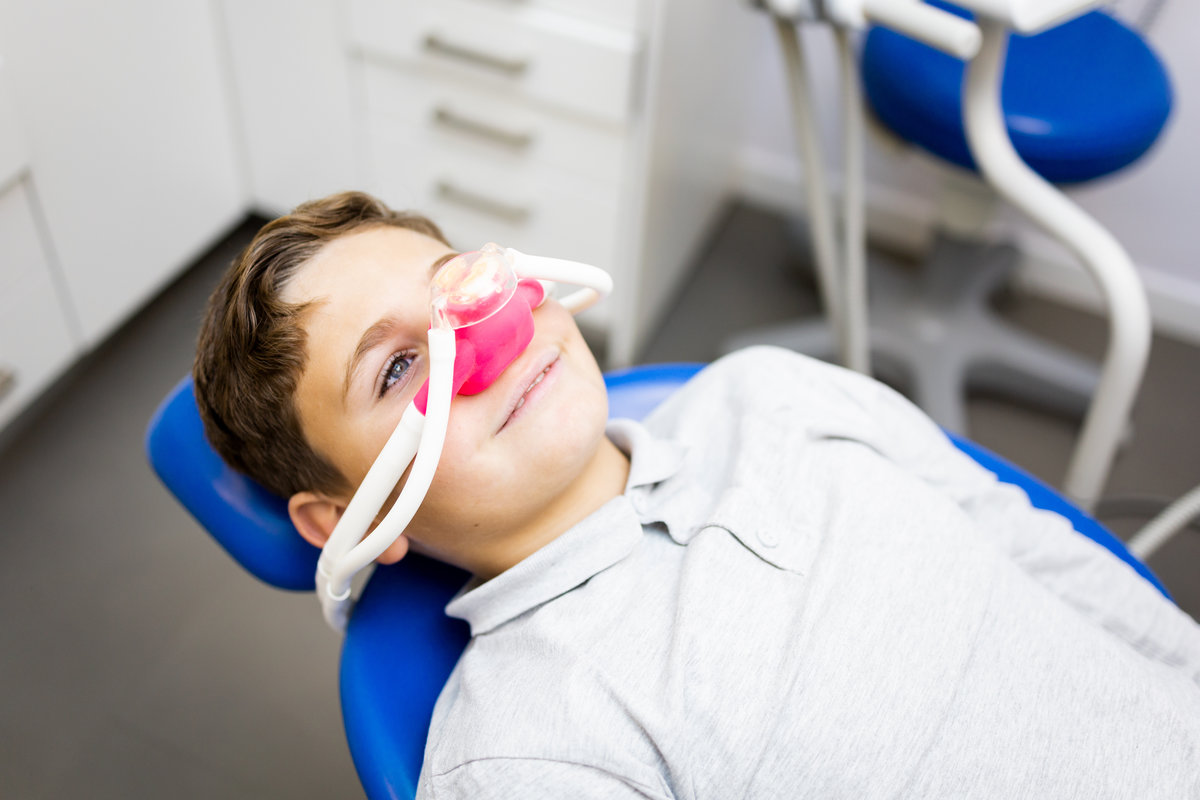
Different sedation levels serve various needs in pediatric dentistry. Nitrous oxide, commonly known as laughing gas, offers the mildest form of sedation and works well for anxious children during routine procedures. Your child remains awake and responsive while feeling relaxed and comfortable.
Oral sedation provides a deeper level of relaxation for more extensive dental work. Children may become drowsy but typically remain conscious and able to respond to instructions. For complex procedures or children with severe dental anxiety, IV sedation or general anesthesia might be necessary. These deeper sedation levels require additional monitoring but allow pediatric dentists to complete comprehensive dental work while your child remains completely comfortable.
When Should Parents Consider Sedation?
Several situations warrant discussing sedation options with your pediatric dentist:
- Severe dental anxiety that prevents treatment
- Very young children needing extensive dental work
- Complex procedures requiring extended chair time
Medical conditions or special needs also influence sedation decisions. Some children cannot sit still for dental procedures, making sedation the safest option for completing necessary treatment. According to the American Academy of Pediatric Dentistry, proper use of sedation helps children receive dental care they might otherwise avoid, protecting their long-term oral health.
Are There Risks Associated With Dental Sedation?
Understanding risks helps parents make informed decisions about sedation dentistry. While complications remain rare when proper protocols are followed, parents should be aware of potential concerns. Allergic reactions to sedation medications occur infrequently but require immediate attention. Some children experience nausea or drowsiness after sedation wears off.
Respiratory changes during sedation represent the most serious potential complication. This explains why continuous monitoring proves essential throughout the procedure. Our pediatric dentists maintain current certifications in pediatric advanced life support, ensuring preparedness for any situation that might arise during sedation.
Schedule Your Child’s Sedation Consultation at All Kids Pediatric Dentistry
Sedation safety in pediatric dentistry relies on proper training, appropriate equipment, and careful patient selection. Our pediatric dentists at All Kids Pediatric Dentistry help families throughout the Charlotte area understand sedation options and determine the best approach for each child’s unique needs. Every child deserves comfortable, anxiety-free dental care that protects their developing smiles.
Ready to discuss sedation options for your child’s upcoming dental procedure? Contact All Kids Pediatric Dentistry today to schedule a consultation. Call our Arrowhead office at (980) 263-2330, our Plaza Midwood location at (980) 425-3100, or our Indian Trail office at (704) 684-4451, or book your appointment online to learn how we can make your child’s dental experience safe and positive. All Kids. All Smiles.