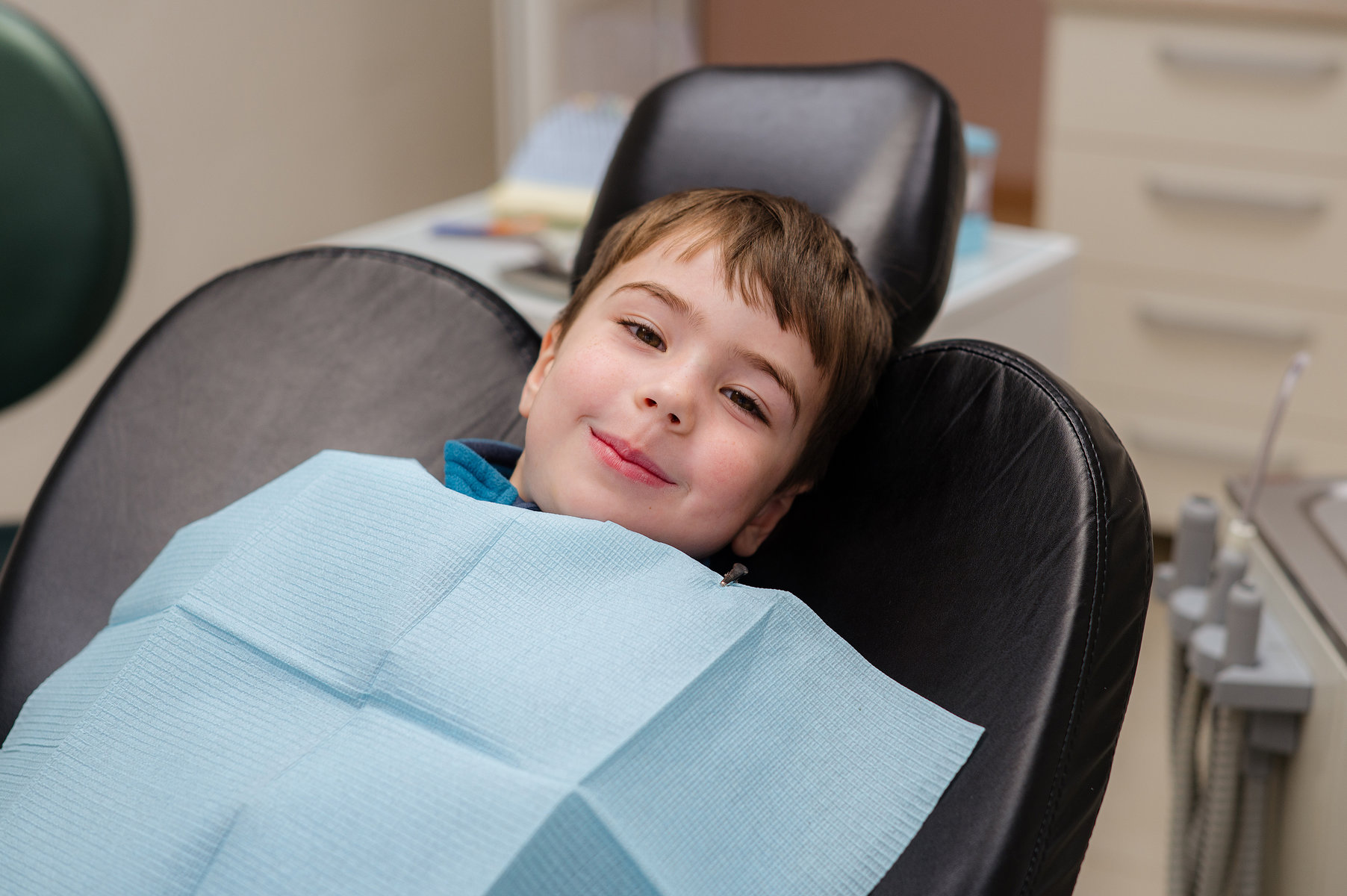
A playground accident, a fall while learning to ride a bike, or a collision during sports can happen in an instant, leaving your child with a chipped, cracked, or completely broken tooth. Dental trauma is one of the most common injuries children experience, and knowing how to respond quickly and calmly can make the difference between saving and losing a tooth.
At All Kids Pediatric Dentistry, we understand how frightening dental emergencies can be for both children and parents. Our team has been helping Charlotte-area families handle urgent dental situations since 2014, providing immediate care and guidance to preserve your child’s oral health and restore their confident smile.
Immediate Steps After Dental Trauma
Pediatric dental emergencies require quick thinking and proper response techniques. The first few minutes after your child sustains dental trauma are crucial for the best possible outcome.
Stay calm to help your child remain composed, as your reaction will influence how they handle the situation. Take a deep breath, speak in a soothing voice, and let your child know everything will be okay. Assess the severity of the injury by gently examining the mouth area, looking for bleeding, loose teeth, or visible damage.
If your child’s tooth is completely knocked out, time becomes critical. Handle the tooth only by the crown (the white part), never touching the root. If the tooth is dirty, rinse it gently with milk or clean water, but avoid scrubbing or removing any tissue fragments attached to the root.
Control any bleeding by applying gentle pressure with clean gauze or a soft cloth. Have your child bite down on the gauze to help stop bleeding and provide comfort. Ice can be applied to the outside of the face to reduce swelling, but never place ice directly on the injured tooth or gums.
Types of Dental Injuries in Children
Dental trauma can range from minor chips to complete tooth loss, and each type requires different emergency care. Chipped teeth are the most common form of dental trauma, often affecting the front teeth during falls or collisions. While these injuries can look scary, many can be repaired beautifully with modern dental techniques.
Cracked teeth may not always be immediately visible, but can cause significant pain, especially when eating or drinking. These injuries can extend deep into the tooth structure, potentially affecting the nerve and requiring immediate professional attention.
Loose teeth from trauma should never be ignored, even if they appear to return to their normal position. The supporting structures may be damaged, and professional evaluation is essential to prevent future complications. Think of it like a house with a shaken foundation—it needs an expert to ensure everything is stable.
Complete Tooth Avulsion
When a permanent tooth is completely knocked out, immediate action can sometimes save the tooth. The tooth should be replanted as quickly as possible, ideally within 30 minutes of the injury, for the best chance of successful reattachment.
If you’re comfortable doing so and the tooth is clean, try to gently place it back in the socket. Have your child bite down on clean gauze to hold it in place while seeking immediate dental care. If replantation isn’t possible, store the tooth in milk, saliva, or a tooth preservation medium.
For primary teeth that are knocked out, do not attempt to replant them, as this can damage the developing permanent tooth underneath. However, immediate dental evaluation is still necessary to assess any damage to surrounding structures.
When to Seek Emergency Dental Care
Contact us immediately if your child experiences any significant dental trauma, even if the injury appears minor. We’re here to help you determine the best course of action, and we’d rather see your child as a precaution than have a small problem become a bigger one later.
Seek immediate care if your child has severe pain, significant bleeding that won’t stop, a tooth that’s been knocked out or become very loose, or visible cracks or fractures in the tooth. Any injury to the face or mouth area warrants professional evaluation to rule out additional damage.
Signs of infection, such as swelling, fever, or persistent pain, require urgent attention according to the American Academy of Pediatric Dentistry. Early intervention can prevent more serious complications and preserve your child’s oral health.
Treatment Options for Different Types of Trauma
Treatment approaches vary depending on the type and severity of the dental injury. Minor chips may require simple smoothing or bonding to restore the tooth’s appearance and function. We’ll work with your child to make sure they feel comfortable throughout the process, and many are surprised at how quick and easy these repairs can be!
More significant fractures might need crowns or other restorative treatments. Fillings may be necessary if the trauma has created cavities or exposed the inner tooth structure. Root canal treatment might be required if the tooth’s nerve has been damaged, though we always explore conservative treatment options first.
In cases where a tooth cannot be saved, extractions may be necessary. We then discuss options for maintaining proper spacing and function until permanent teeth emerge or replacement options become appropriate. We’ll walk you through every step and answer all your questions along the way.
Preventing Future Dental Trauma
While not all accidents can be prevented, many dental injuries are avoidable with proper precautions. Ensure your child wears appropriate protective gear during sports activities, including properly fitted mouthguards for contact sports and activities with fall risks. A good mouthguard can be the difference between a close call and a dental emergency!
Childproof your home environment by securing furniture with sharp corners, using safety gates on stairs, and maintaining clutter-free play areas. Regular preventive care visits help identify any structural weaknesses in teeth, which can make them more susceptible to trauma.
Teach children about playground safety, proper bicycle helmet use, and the importance of not using teeth as tools. Creating awareness about potential hazards helps children make safer choices during play and sports activities. Sometimes, a simple conversation about being careful can prevent an injury down the road.
All Kids Pediatric Dentistry: Your Emergency Dental Care Partner
When dental trauma occurs, having an experienced pediatric dental team ready to help makes all the difference in your child’s treatment outcome. We provide compassionate emergency care with the advanced techniques and gentle approach children need during stressful situations. We know accidents happen, and we’re here to support your family when they do. Our team speaks Spanish, Russian, and Portuguese, ensuring clear communication during urgent situations when every moment matters.
We accept virtually all insurance plans and offer a dental savings plan to make emergency treatment accessible and affordable for every family. Our convenient locations in Charlotte and Indian Trail provide quick access to quality emergency dental care when your child needs it most. For immediate dental emergencies, call us right away at (980) 263-2330 for Arrowood, (980) 425-3100 for The Plaza, or (704) 684-4451 for Indian Trail, or book online for urgent appointments. All Kids. All Smiles.