Pediatric Dental Emergencies In Plaza Midwood, NC
When your child has a dental emergency, every minute counts. Whether it’s a knocked-out tooth, a broken jaw, or a sudden toothache, All Kids Pediatric Dentistry is ready to help. Call your nearest Charlotte or Indian Trail office as soon as the situation happens. The tips below can guide you through the most common pediatric dental emergencies while you make your way to our office or, when needed, to the hospital.
Dental emergencies in children can range from a chipped tooth during a soccer game to severe tooth pain that signals an underlying infection. Knowing how to respond before you reach our office can make a real difference. Our team at All Kids Pediatric Dentistry is experienced in same-day emergency care across our Arrowood, Plaza Midwood, and Indian Trail locations. Call us the moment something happens — we’ll walk you through what to do.
- Most major insurance accepted
- NC Medicaid provider
- In-house dental savings plan
- All major credit cards
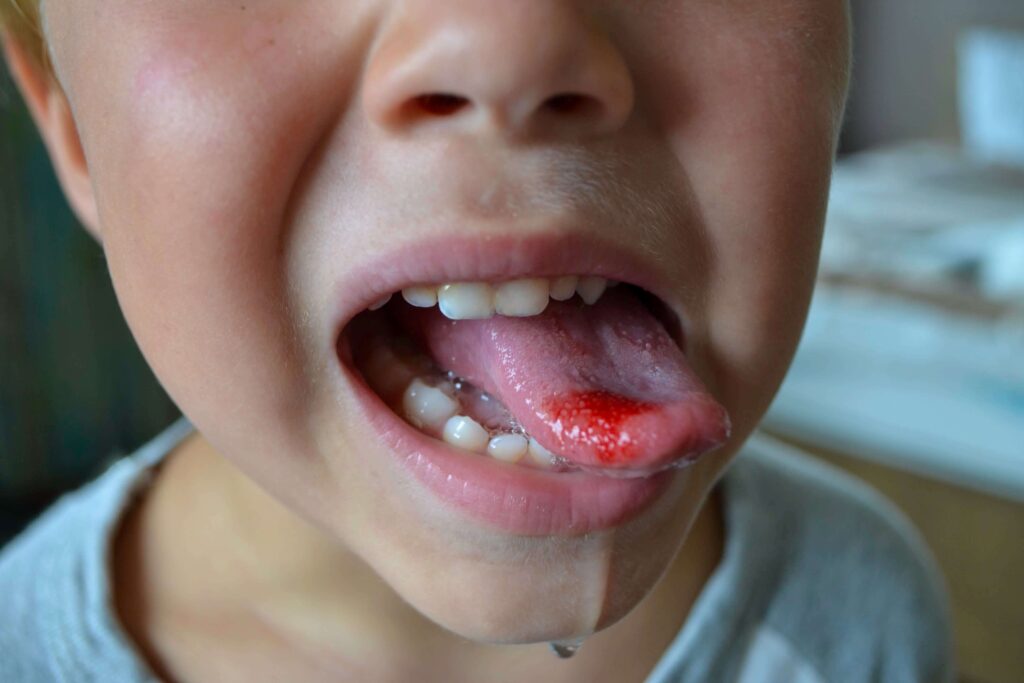
If your child has bitten their lip or tongue hard enough to cause bleeding, start by gently rinsing the area with cool water. Fold a clean cloth or piece of gauze and apply steady pressure to slow the bleeding. A cold, damp cloth pressed against the outside of the mouth can help with swelling. If the bleeding does not ease up after 10 to 15 minutes of consistent pressure, or if the bite looks deep, contact our office or head to an urgent care facility. Most minor bites heal on their own, but our team can help you assess whether your child needs to be seen.

Atención en Español Disponible
Atención en Español Disponible
¿Prefieres información en español? Nuestros dentistas pediátricos y personal hablan español con fluidez. Haga clic aquí para ver esta página en español.
Pediatric and Family Dentistry Financing Available
Gentle, comprehensive dental care for children with flexible payment options for growing families.

Object Caught In Teeth
When something is lodged between your child’s teeth, reach for dental floss first. Gently work the floss back and forth to ease the object free — avoid pushing it deeper. Never use a pin, toothpick, or any sharp implement, as this can scratch the enamel or injure the gum tissue. If careful flossing does not dislodge the object, call our office rather than continuing to probe the area. Forcing it out can cause more damage than the object itself.


Broken, Chipped, or Fractured Tooth
Have your child rinse their mouth with warm water, then apply a cold cloth or ice pack to the outside of the cheek to keep swelling down. If a piece of the tooth broke off, collect the fragment and bring it to your appointment — depending on the size and location of the break, it may be usable in the repair. Chipped teeth that cause sharp edges, pain, or sensitivity to air and temperature should be evaluated promptly, as a crack that reaches the inner pulp can create a risk of infection. Call us right away so we can determine the urgency and set up an appointment.
Knocked Out Tooth
Act quickly — the window for saving a permanent tooth is short. Hold the tooth by the crown (the white part you can see in the mouth) and avoid touching the root. If it’s dirty, rinse it briefly under running water without scrubbing. If your child is calm enough, the tooth can be placed back in the socket gently and held in place with light biting pressure while you travel to our office. If reinsertion isn’t possible, keep the tooth submerged in a small container of milk — not water — and bring it with you immediately. Call us on the way. For baby teeth, do not attempt to reinsert, as this can interfere with the developing permanent tooth underneath. Either way, we want to hear from you right away.

Loose Tooth
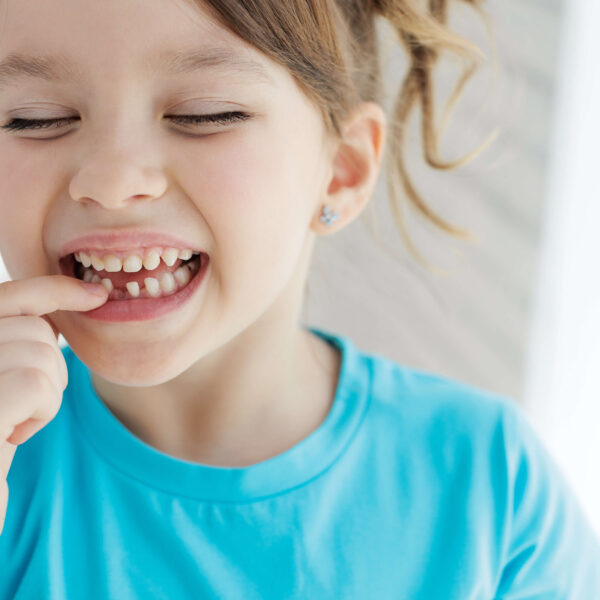
A very loose baby tooth is rarely a true emergency, but it should not be left dangling — there is a real risk of it being swallowed or accidentally inhaled. If the tooth is hanging by a thread and your child is comfortable, gentle wiggling may help it come out cleanly. If it is loose because of an injury rather than natural loosening, call our office so we can check for any underlying damage to the surrounding tissue or the permanent tooth developing beneath.
Toothache
Not every toothache signals a dental emergency, but persistent or severe tooth pain should never be dismissed. Start by having your child rinse with warm water and check whether anything is trapped between the teeth. A cold compress held against the outside of the cheek can reduce swelling and ease discomfort. Age-appropriate children’s pain relievers taken orally per the package instructions are fine to use while you wait for your appointment. Do not press a pain reliever tablet or any topical numbing gel directly onto the gum, as this can damage the soft tissue. Tooth pain that is intense, getting worse, or accompanied by swelling in the jaw or face may point to a deeper infection and needs to be evaluated promptly — call our office to get your child in as soon as possible.


Broken Jaw
A suspected broken jaw is a medical emergency — go to the hospital or call 911 immediately. While you wait for help or while transporting your child, support the jaw gently and apply a cold cloth to the outside of the face to limit swelling. Do not give your child anything to eat or drink. A broken jaw is most often the result of a significant blow to the head, and any head injury of that force warrants a full medical evaluation, not just a dental one. Our team can coordinate follow-up dental care once your child has been medically cleared.
Avoiding Injury
Many dental emergencies are preventable with a few consistent habits. Keep your home childproofed to reduce fall hazards, particularly for toddlers and young children. Avoid letting your child chew on ice, unpopped popcorn kernels, hard candies, or other foods that put stress on teeth. Car seats and seat belts used correctly on every trip protect your child’s face and jaw in the event of a collision. If your child plays any contact sport — football, basketball, soccer, martial arts — a properly fitted mouthguard is essential. Ask us about a custom mouthguard at your next visit; over-the-counter versions offer far less protection. And as always, consistent brushing, flossing, and routine visits to our preventive care program are your child’s best long-term defense against dental emergencies.
Frequently Asked Questions
What should I do if my child knocks out a permanent tooth?
Pick up the tooth by the crown — the white part visible in the mouth — and avoid touching the root. Rinse it briefly under cool water without scrubbing or using soap. If your child is calm, gently place the tooth back in the socket and have them bite down lightly to hold it while you travel to our office. If reinsertion is not possible, submerge the tooth in a small container of milk (not water) and bring it with you immediately. Time is the critical factor: the sooner we see the tooth, the better the chances of saving it. If a baby tooth is knocked out, do not attempt to reinsert it — call us and we will guide you through next steps.
What should I do if my child chips or breaks a tooth?
Have your child rinse with warm water, then apply a cold cloth or ice pack to the outside of the cheek to control swelling. Collect any tooth fragments you can find and bring them to your appointment — some fractures allow for reattachment. A chip with a sharp edge, noticeable pain, or sensitivity to temperature should be evaluated promptly because a crack extending to the pulp can create a pathway for infection. Call our office right away so we can assess the urgency and schedule an appointment.
How do I manage my child's toothache before reaching the dentist?
Have your child rinse with warm water and gently check whether anything is lodged between the teeth. A cold compress on the outside of the cheek can reduce swelling and ease discomfort. Age-appropriate children’s pain relievers taken orally per package instructions are safe to use while waiting. Do not press a pain tablet or topical numbing gel directly onto the gum — this can irritate or damage the tissue. Severe or worsening tooth pain, or swelling in the jaw or face, may signal a deeper infection and should be seen the same day. Call us and we will get your child in as quickly as possible.
When should I call your office versus going directly to the hospital?
Call our office first for dental injuries — a knocked-out or chipped tooth, a toothache, an object caught between teeth, or a bitten lip with minor bleeding. We can triage over the phone and get you in quickly. Go to the emergency room or call 911 if your child has a suspected broken jaw, a severe blow to the head, heavy uncontrolled bleeding, or signs of a deep dental abscess with swelling spreading into the neck or throat. We can coordinate follow-up dental care once your child has been medically cleared.
Does All Kids Pediatric Dentistry accept insurance for emergency dental visits?
Yes. We accept virtually all major insurance plans and participate with NC Medicaid. For families without insurance coverage, our in-house dental savings plan is available as an affordable alternative. Our team will work with you to confirm benefits and discuss any out-of-pocket costs before treatment. We never want a financial concern to stand in the way of your child receiving the care they need.
All Pediatric Services
Check Out Our Comprehensive services
Getting to know your teeth is fun!
Our Convenient Locations
Click a location to explore
Arrowood
2630 W Arrowood Rd, Suite C, Charlotte, NC 28273
New Patients980-427-7283
Existing Patients980-263-2330
Mon – Fri: 8:00 AM – 5:00 PM · Sat – Sun: Closed
Plaza Midwood
2501 The Plaza, Suite 4, Charlotte, NC 28205
New Patients980-655-2667
Existing Patients980-425-3100
Mon – Fri: 8:00 AM – 5:00 PM · Sat – Sun: Closed
Indian Trail
3007 Wesley Chapel Stouts Rd, Suite A, Monroe, NC 28110
New Patients704-209-7552
Existing Patients704-684-4451
Mon – Fri: 8:00 AM – 5:00 PM · Sat – Sun: Closed
We Can’t Wait To Meet You
Please use the form below to schedule your appointment with us. Alternatively, if you prefer, you can schedule through our online chat or by calling or texting the office.
We Can’t Wait To Meet You
Please use the form below to schedule your appointment with us. Alternatively, if you prefer, you can schedule through our online chat or by calling or texting the office.

