Every parent knows the basics: less candy, more brushing. But the real relationship between what your child eats and how their teeth hold up is far more layered than that. It is not just about sweets. It is about how often they eat, what they drink between meals, how long certain foods linger on their teeth, and whether their diet includes the nutrients that keep enamel strong in the first place. When families understand these patterns, protecting their child’s smile becomes something that happens all day, not just at the sink.
At All Kids Pediatric Dentistry, diet conversations are a regular part of how our pediatric dentists approach preventive care in Charlotte. What happens at the kitchen table shapes what we see in the dental chair, and that is exactly why we talk about it at every visit. We have been partnering with families across Charlotte, Plaza Midwood, Southwest Charlotte, and Indian Trail since 2014 to help children build habits that protect their smiles long before cavities ever have a chance to form.
How Sugar Actually Fuels Tooth Decay
Cavities are not caused by sugar alone. According to the American Dental Association, dental caries is a biofilm-mediated, sugar-driven disease that results in cycles of demineralization and remineralization of tooth enamel. In plain terms, bacteria in the mouth feed on sugar, produce acid, and that acid attacks enamel. The more frequently your child consumes sugar throughout the day, the more often that acid cycle is triggered, and the less time enamel has to recover between exposures.
This is one of the most important things we teach families: a single piece of candy eaten with lunch is far less damaging than a sugary snack nibbled slowly across an afternoon. It is not just what your child eats but how often and for how long. When our pediatric doctors flag dietary patterns during an exam, frequency and duration are what we are paying the most attention to.
The Biggest Dietary Culprits Parents Often Overlook
Not all foods carry the same cavity risk, and some of the most damaging ones do not taste sweet at all.
Sugary and Acidic Drinks
Juice, sports drinks, flavored milk, and soda are among the most common contributors to childhood cavities. They coat every tooth surface and are often sipped slowly over long stretches of time, creating a near-constant acid environment in the mouth. Even 100% fruit juice carries a significant sugar load. Water is always the best choice between meals, and prolonged sippy cup use makes the problem considerably worse when these drinks are the default throughout the day.
Sticky and Starchy Snacks
Gummy vitamins, dried fruit, crackers, and chips may not taste sweet, but they cling to tooth surfaces and break down into sugars that feed bacteria long after the snack is finished. When food lingers in the grooves of your child’s teeth, acid exposure continues well past mealtime. These are the kinds of details our team points out during dental exams and cleanings because most families do not realize these foods are doing damage.
Signs Your Child’s Diet May Already Be Affecting Their Teeth
Diet-related decay often shows up in recognizable patterns before it becomes a bigger problem. A few signs are worth watching for between visits:
- Chalky white spots near the gumline, often an early sign of enamel demineralization from frequent sugar exposure.
- Sensitivity to hot, cold, or sweet foods, which can mean enamel has thinned enough to expose the more sensitive layer underneath.
- Brown or dark staining in the pits and grooves of the back teeth, often linked to sticky, starchy foods that linger after meals.
None of these signs mean you need to panic, but they are a good reason to schedule a visit sooner rather than waiting for the next routine cleaning.
Foods That Actively Protect Enamel
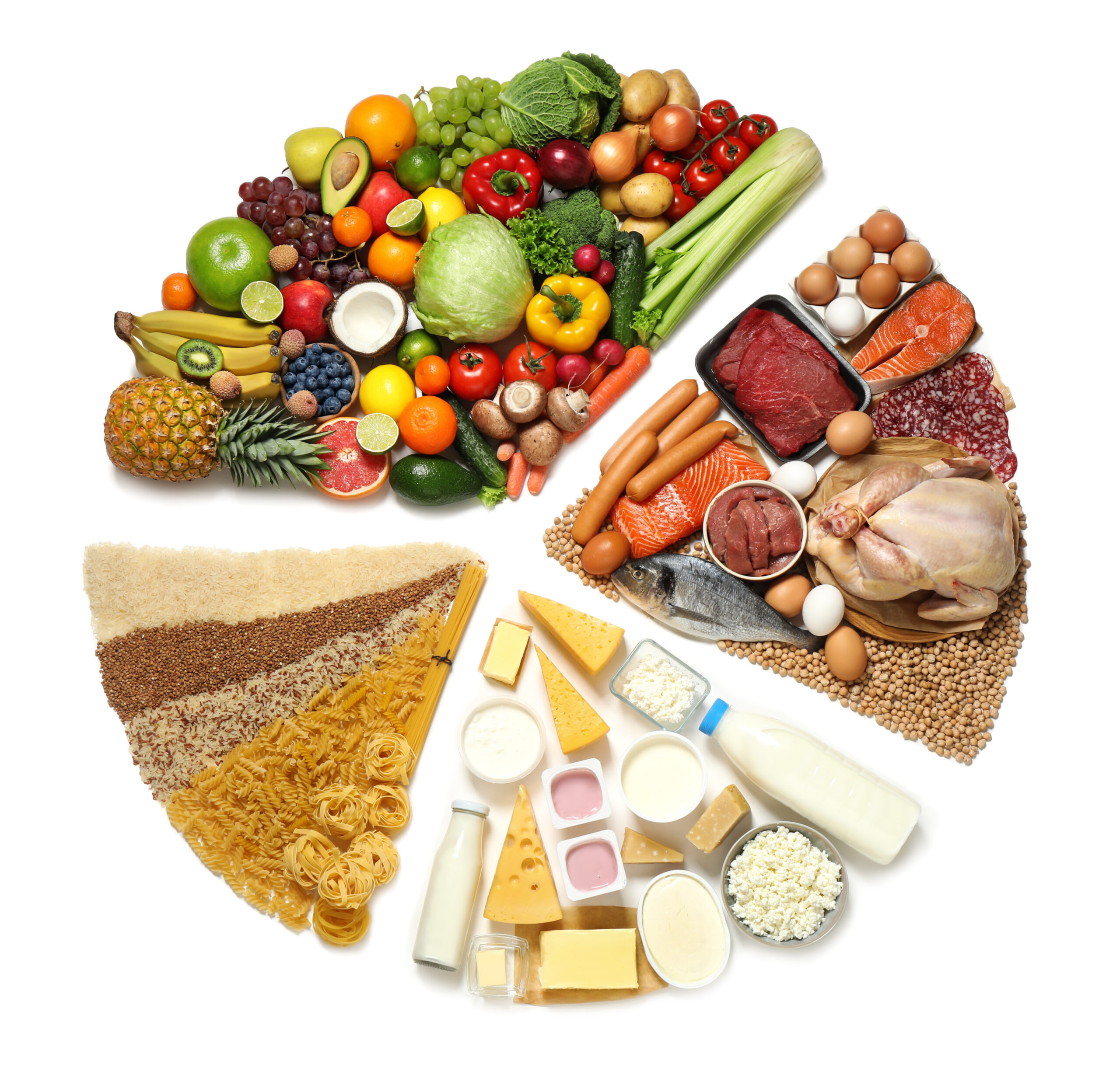
Diet is not only about what to limit. Certain foods work in your child’s favor by supporting remineralization and creating a healthier oral environment. Cheese, plain yogurt, and other dairy products contain calcium and phosphate, which help rebuild and strengthen enamel between exposures to acid.
Crunchy vegetables like carrots and celery stimulate saliva flow, which naturally neutralizes acid and rinses away food particles. Saliva is one of the mouth’s most important natural defenses, and foods that promote it are genuinely protective. Understanding what foods protect your child’s teeth is one of the most practical things a family can build into their daily routine.
What We Actually Tell Families at Appointments
When our pediatric doctors talk about diet at checkups, we are not giving generic advice. We are looking at your child’s specific cavity pattern, the foods and drinks they gravitate toward, and the timing of their meals and snacks. If we see new decay forming near the gumline or on smooth surfaces, that is often a signal pointing toward frequent liquid sugar exposure. Decay in the pits and grooves tells a different story, often pointing to starchy, sticky foods lingering too long.
Small changes make a meaningful difference over time. Offering water as the default between meals, keeping snacking to consistent times rather than grazing all day, and rinsing with water after eating when brushing is not possible are all practical steps that reduce acid exposure significantly. Pairing those habits with twice-daily brushing and fluoride treatments builds a foundation that holds up well over time. Families looking to take it further can also explore strategies for preventing cavities in baby teeth as part of a broader approach to early oral health.
Frequently Asked Questions About Diet and Your Child’s Cavity Risk
How Quickly Can Diet-Related Cavities Develop?
It varies by child, but frequent sugar exposure can begin demineralizing enamel within weeks. Early damage often shows up as chalky white spots long before an actual cavity forms, which is why catching these patterns early at routine visits makes such a difference.
Are Chalky White Spots on My Child’s Teeth Serious?
White spots are worth taking seriously, but they are also a good sign in one way: they usually mean the damage is still in an early, reversible stage. Reducing sugar frequency, adding fluoride, and encouraging saliva-boosting foods can often help the area remineralize before it becomes a true cavity.
Does Chocolate Cause More Cavities Than Other Candy?
Generally, chocolate is less damaging than sticky candies like caramel or gummies. It dissolves and clears from the mouth faster, which limits how long sugar sits against the teeth. Sticky, chewy candies that cling to enamel for extended periods tend to carry a higher cavity risk.
Can Diet Changes Reverse Early Tooth Decay?
In the earliest stages, yes. Enamel goes through natural cycles of demineralization and remineralization, and reducing frequent sugar exposure gives the remineralization side a chance to catch up. Once decay has progressed into an actual cavity, though, diet changes alone can no longer reverse it, and treatment becomes necessary.
How Often Should My Child Eat Sugary Foods?
Frequency matters more than the total amount. Enjoying a treat as part of a meal, once or twice a day at most, gives enamel time to recover between exposures. Grazing on sugary snacks or sipping sweet drinks throughout the day keeps the mouth in an almost constant acid state, which is the pattern we most want families to avoid.
Talk to All Kids Pediatric Dentistry About Your Child’s Diet
Diet is one of the most actionable things families can address when it comes to their child’s oral health, and the earlier those conversations start, the better. At All Kids Pediatric Dentistry, every exam is an opportunity to review what is working, catch early signs of decay before they become bigger problems, and give you guidance based on what we are actually seeing in your child’s mouth. We welcome patients with virtually all insurance, including SC and NC Medicaid, and offer a dental savings plan for families without coverage. We speak Spanish, Portuguese, and Russian, so every family feels right at home.
We serve families across Charlotte, Plaza Midwood, Southwest Charlotte, and Indian Trail from three convenient locations. Book your appointment online anytime, and our team will take it from there.